How to Prepare for the Summer Hiking Season in the Eifel: 10 Tips from Sport Giese
10 practical tips for summer hiking in the Eifel – from choosing hiking shoes and socks to planning your route, packing your backpack, staying hydrated and dressing for changing weather

How should you prepare for a summer hike in the Eifel? What should you take with you, which hiking shoes are right for your route, and what should you consider when dealing with heat, changing weather and longer distances?
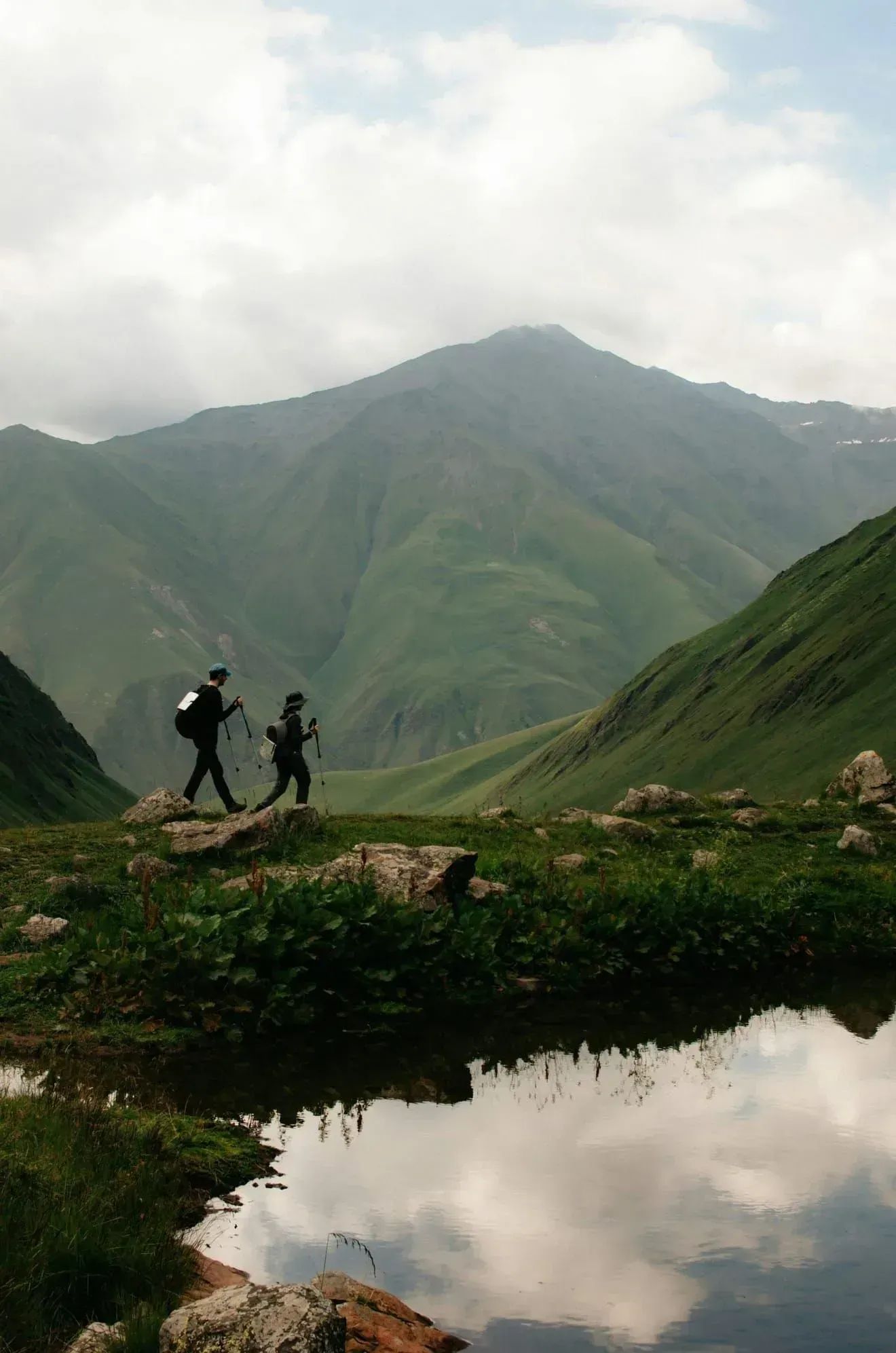
Summer is one of the best seasons for hiking in the Eifel. Forests, valleys, rivers, reservoirs and numerous hiking trails around Bitburg and Prüm offer routes for very different levels of experience and fitness – from a short family walk to a several-hour hike with significant elevation gain.
The demands can vary considerably depending on the route. The Stausee-Prümtalroute near Biersdorf am See, for example, is around 17 km long with approximately 582 metres of elevation gain. A hike like this requires a very different level of fitness, footwear and equipment than a short walk.
A good hike therefore starts before you reach the trailhead – with the right preparation.
Here are 10 practical tips to help you prepare for your summer hike in the Eifel.
1. Check your hiking shoes before the season
Before your first longer hike, take a close look at your hiking shoes.
Is the tread noticeably worn? Does the sole provide less grip than it used to? Is your heel still held securely? Are there any cracks or other signs of damage?
If your shoes no longer perform as they should, it is time to consider a new pair.
For short and easy routes, lightweight hiking or multifunctional shoes are often sufficient. For longer distances, more demanding terrain or hikes with a backpack, a more supportive hiking shoe or trekking model can be a better choice.
Pay particular attention to:
- sole grip
- secure heel hold
- stability and foot guidance
- comfort and cushioning
- protection from moisture
- suitability for the terrain of your route
The key question is therefore not “Which hiking shoe is the best?”, but “Which shoe is right for my route?”
2. Don’t start a long hike in completely new shoes
New hiking shoes should not make their debut on a long hike.
Even if they feel comfortable in the store, your feet need time to adjust to the fit and feel of the shoes. LOWA also recommends gradually breaking in new hiking boots and testing them on shorter walks first.
Start with short walks and gradually increase the distance.
Ideally, test your shoes on different surfaces – such as asphalt, forest paths and gravel, as well as on uphill and downhill sections. This will quickly show you whether they remain comfortable under real conditions.
3. Choose the right hiking socks
Hiking socks may seem like a small detail, but they can make a noticeable difference on a longer hike.
Good hiking socks should:
- wick moisture away from your feet
- provide a comfortable, secure fit
- minimise wrinkles and bunching
- work well with the fit and volume of your shoes
For longer hikes, specialist hiking socks are usually a better choice than ordinary cotton socks.
One more important tip: bring the same socks to your shoe fitting that you plan to wear on your hike. This allows you to assess the fit more realistically.
4. Check your route carefully before setting off
Distance alone does not tell you how demanding a hike will actually be.
Before you start, check:
- route length
- elevation gain
- terrain
- estimated walking time
- difficulty level
- steep ascents and descents
- options for shortening the route
- rest areas
- opportunities to refill your water
- weather forecast
Ten kilometres on relatively flat terrain is very different from ten kilometres with repeated climbs and technical sections.
The better you know your route, the more accurately you can choose your clothing, footwear and backpack.
5. Pay particular attention to grip in the Eifel
Forest trails can change significantly after a rain shower. Wet roots, rocks, gravel and muddy sections can become considerably more slippery.
That is why you should look not only at comfort when choosing hiking shoes, but also at the quality and tread of the sole.
Good grip is particularly important on:
- wet rocks
- roots
- gravel
- damp forest paths
- steep descents
Especially in the Eifel, it makes sense to choose your footwear according to the actual terrain – not just the weather forecast.
6. Pack your backpack sensibly
For a normal day hike, you do not need an expedition backpack.
Depending on the route and weather, your basic equipment might include:
- enough water
- a small snack
- a lightweight rain jacket
- an extra clothing layer
- sunscreen
- a hat or cap
- phone
- power bank
- small first-aid kit
Anything else you need depends on the length and difficulty of your hike.
As a general rule, the longer the route and the greater the elevation gain, the more important it is to keep your backpack well organised and avoid unnecessary weight.
7. In summer, water is more important than an extra T-shirt
Warm weather can make a hike significantly more demanding – especially on exposed sections, on routes with little shade or during longer climbs.
Before setting off, check:
- How long will you be hiking?
- How warm will it be?
- How much shade is available?
- Where can you refill your water?
Do not rely on random water sources along the route.
If a particularly hot day is forecast, choosing a route with plenty of forest and shade can make the hike more comfortable. Eifel Tourismus also recommends choosing shaded hiking routes when temperatures are high.
8. Dress in layers
Weather conditions in the Eifel can change quickly throughout the day.
The forest may feel cool in the morning, open sections can become warm later, and a rain shower may arrive in the afternoon.
Several lightweight layers give you more flexibility:
- breathable base layer
- lightweight additional layer
- rain and wind protection
This allows you to adapt your clothing to the temperature and intensity of your activity.
Several lightweight layers are usually more practical than one heavy warm garment.
9. Don’t start with the most difficult route
If you are just getting started with hiking in the Eifel, there is no need to choose the longest or most demanding route straight away.
Start with a shorter, easier trail and gradually increase:
- distance
- elevation gain
- walking time
- terrain difficulty
A good rule of thumb: after your hike, you should feel like you would happily go again – not like you need several days to recover.
This is how you gradually find out which distances and levels of exertion work best for you.
10. Prepare your equipment the day before
Don’t leave your packing until the morning of the hike.
Check your equipment the day before:
- weather forecast checked
- route and estimated walking time confirmed
- hiking shoes suitable for the terrain and weather
- hiking socks ready
- water packed
- rain jacket packed
- sunscreen and hat packed
- phone and power bank charged
- small first-aid kit packed
And take one more look at your shoes: Is the tread still sufficient? Does the heel feel secure? Is there any damage? Are the shoes really suitable for your planned route?
If you realise that your old shoes are no longer reliable or simply don’t suit your next route, visit Sport Giese in Bitburg or Prüm.
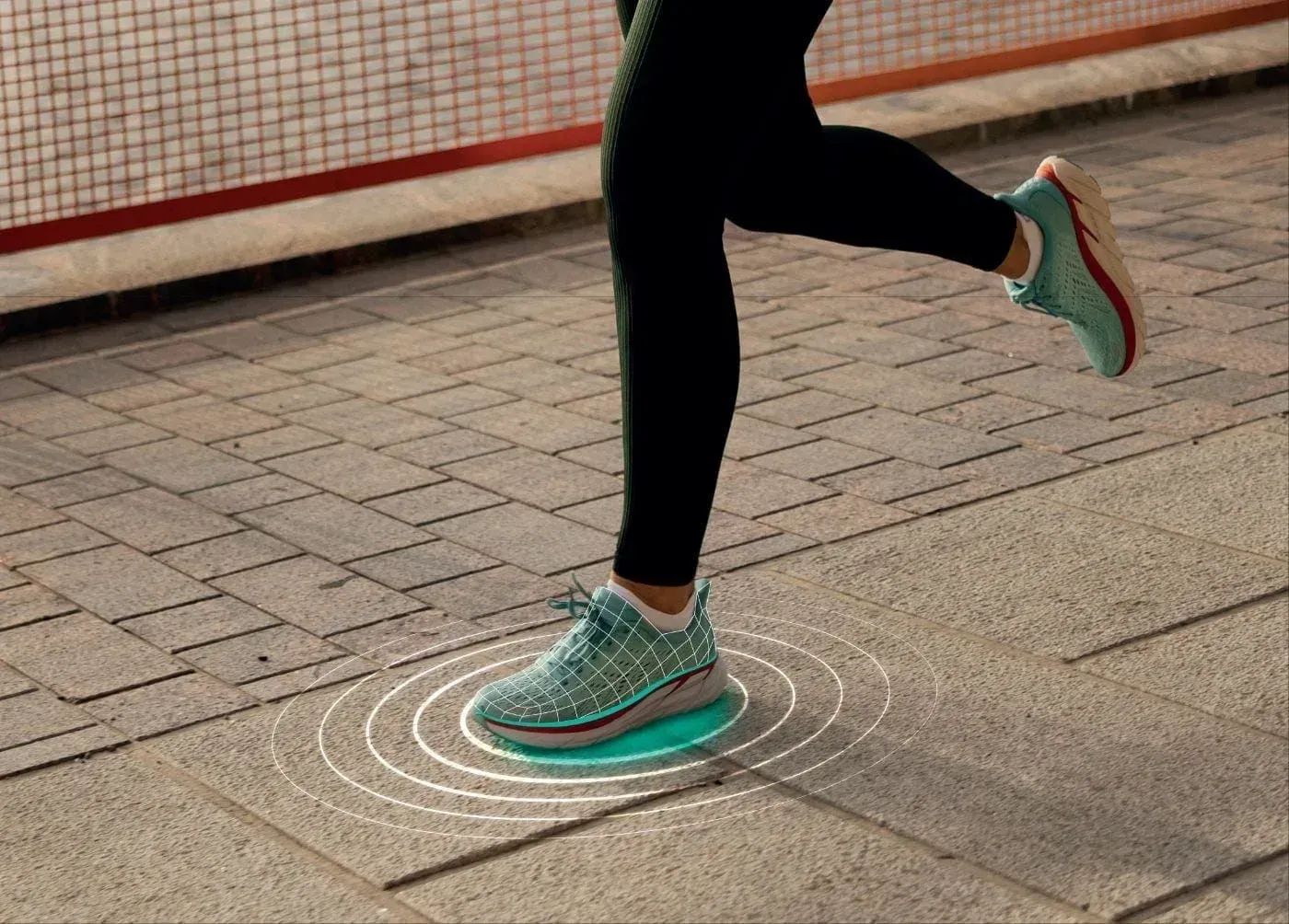
In Bitburg, you can also get a free 3D foot analysis with Foot Balance. It provides additional information about your feet and can help us choose a shoe model that matches your fit and the types of hikes you have planned.
Once you have found a new pair, test them on shorter walks before taking them on a long hike.
Made for movement. Chosen for you.