How to Choose the Right Running Shoes: 8 Questions to Ask Before You Buy
How do you find the right running shoes? 8 practical questions about fit, terrain, cushioning, stability and running style – with tips from Sport Giese
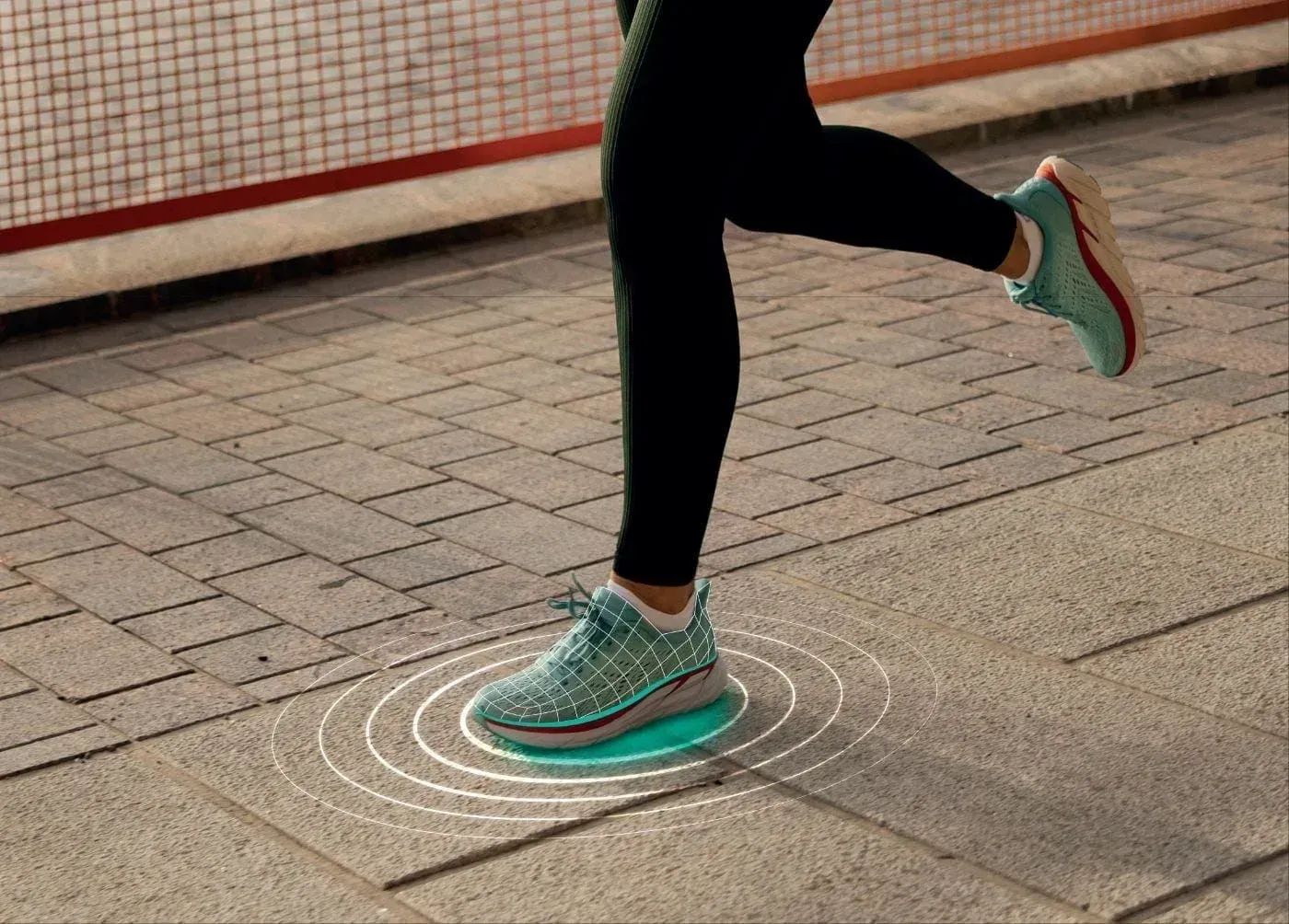
How do you find the right running shoes? Which models are suitable for asphalt, forest paths or beginners? And what should you look for when buying running shoes in Bitburg and Prüm?
If you’re buying your first pair of running shoes or replacing an old one, don’t start with the brand, colour or a model you saw in an ad or on your running buddy.
The right running shoe should fit your actual running routine: surface, distance, pace, training volume and personal feel all matter.
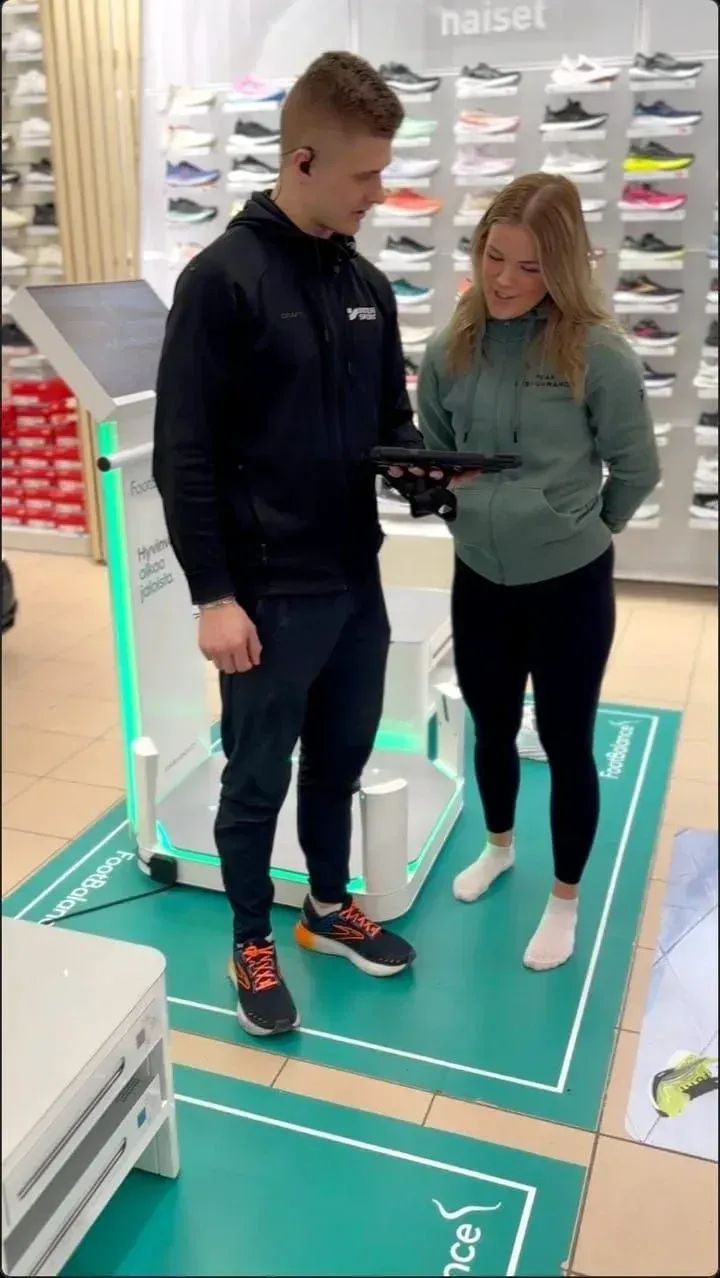
At Sport Giese in Bitburg and Prüm, we help you choose running shoes based on your individual foot characteristics and running style. In Bitburg, we also offer 3D foot measurement and running analysis.
But how can you work out which running shoes are right for you?
1. Where will you run?
This is the first question to ask yourself.
For asphalt, roads, pavements and other hard surfaces, choose road-running shoes.
Look for sufficient cushioning, a comfortable fit, good support, reliable grip and a sole geometry that feels natural for your running style.
For forest paths, gravel and natural trails, trail-running shoes are usually a better choice. Their outsoles generally have a more pronounced tread for better grip on uneven or loose surfaces.
If you regularly switch between asphalt and forest paths, a versatile model for mixed terrain can be a good option.
Our tip: Think about where you actually run most often. The best shoe for you isn’t necessarily the most technical one – it’s the one that matches your needs.
2. Is knowing your shoe size enough?
No.
Two feet with the same length can differ significantly in width, volume, instep height and heel and forefoot shape.
That’s why the same shoe can feel perfect on one runner and uncomfortable on another.
At Sport Giese, we therefore look beyond shoe size. A 3D foot measurement can provide additional information about the length, width and volume of your feet and help narrow down suitable models.
Our tip: Treat your shoe size as a starting point, not the final answer.
3. How much space should you have around your toes?
Your feet change under running load and can become slightly larger throughout the day.
As a general guideline, leave around 0.5–1 cm of space between your longest toe and the front of the shoe.
At the same time, the shoe shouldn’t be too loose. Your foot shouldn’t slide around and your heel should remain securely held.
Try running shoes in the afternoon or evening and wear the socks you normally use for training.
4. Does the heel feel secure?
A good running shoe should hold your heel securely without creating pressure or restricting your foot.
Don’t test the shoes only while standing.
Walk around the store, do a few squats, repeat some warm-up movements, jog a few steps and pay attention to pressure points or slipping.
At Sport Giese, you can also test selected models on a treadmill.
That gives you a much better idea of how the shoe feels in motion, not just while standing.
5. Do you really need a stability shoe?
Pronation is a natural inward movement of the foot while running. Pronation alone doesn’t automatically mean that you need a stability shoe.
What matters is the bigger picture: how you move, how the shoe feels while running and what type of support you actually need.
A running analysis can help assess your running style in more detail and provide additional information when choosing suitable models.
Our tip: Don’t simply look for a running shoe “for pronation”. Compare several suitable models and test them in motion. The shoe should not only fit your feet – it should also feel natural and comfortable while running.
6. Does more cushioning automatically mean more comfort?
Not necessarily.
A maximally soft running shoe isn’t automatically the best choice for everyone. What matters is whether the cushioning matches your running style, training goals and personal comfort.
For long, easy runs, look for comfortable cushioning and a fit that remains pleasant over several kilometres.
For faster sessions, lighter and more responsive models can offer a more dynamic feel.
For asphalt, choose a road-running shoe designed for hard, even surfaces.
For forest paths, gravel and natural trails, grip, stability and protection become especially important.
Also consider the drop – the height difference between the heel and forefoot.
If you’re already used to a particular drop, there’s usually no reason to change it dramatically without a specific purpose. What matters is how naturally you move in the shoe. There is no universally perfect drop for every runner.
Our tip: Don’t choose based only on cushioning, sole height or drop. Look at the shoe as a complete package.
7. How much and how fast do you run?
Your actual training volume matters just as much as your feet.
Before buying, consider:
Running 2–3 times a week for 3–5 km?
A versatile daily trainer will usually be enough.
Regularly running 8–15 km or more?
Look for a comfortable fit and sufficient cushioning for longer runs.
Training for speed?
Lighter, more responsive models can be useful for faster sessions.
Mostly running on asphalt or a treadmill?
Choose a road-running shoe designed for hard, even surfaces.
Frequently running on forest paths, gravel or natural trails?
A trail-running model with appropriate tread and additional protection may be a better choice.
Preparing for a race?
A separate, lighter model for speed sessions or races can make sense. If you’re just starting to run, however, a good versatile daily trainer is usually enough.
Our tip: Define your main running routine first: Where do you run? How far? How fast? How often? That will already narrow down your options considerably.
8. Does the shoe actually feel comfortable?
This may be the most important question of all.
Even a technically suitable model can feel uncomfortable to you. Don’t choose running shoes based only on popularity, reviews or another runner’s recommendation.
The same model can feel completely different on different feet.
Our 5-point fitting checklist
1. Length
Your toes shouldn’t touch the front. Leave around 0.5–1 cm between your longest toe and the front of the shoe.
2. Width
Your foot shouldn’t feel squeezed and your toes should be able to move freely.
3. Heel
Your heel should feel secure and shouldn’t slip out while walking or running.
4. Movement
The shoe should support your natural movement without creating pressure or instability.
5. Comfort
After several minutes of walking and running, the shoe should still feel comfortable. Nothing should press, rub or distract you.
Our tip: Don’t just stand in the shoes for a few seconds. Walk, move and, if possible, test them on a treadmill.
If you already feel pressure or discomfort during the fitting, try another model.
Where can you find the right running shoes in Bitburg and Prüm?
Not sure which model to choose?
Come to Sport Giese. We’ll help you find running shoes that match your feet, your running routine and the surfaces you run on.
In Bitburg, you can also get a 3D foot measurement and running analysis to learn more about your individual movement and foot characteristics.
Because there is no single perfect running shoe for everyone.
The right shoe is the one that fits you, your running and your everyday life.
Made for movement. Chosen for you.